

Beating the Summer Heat: 10 Tips for Better Sleep on Hot Nights
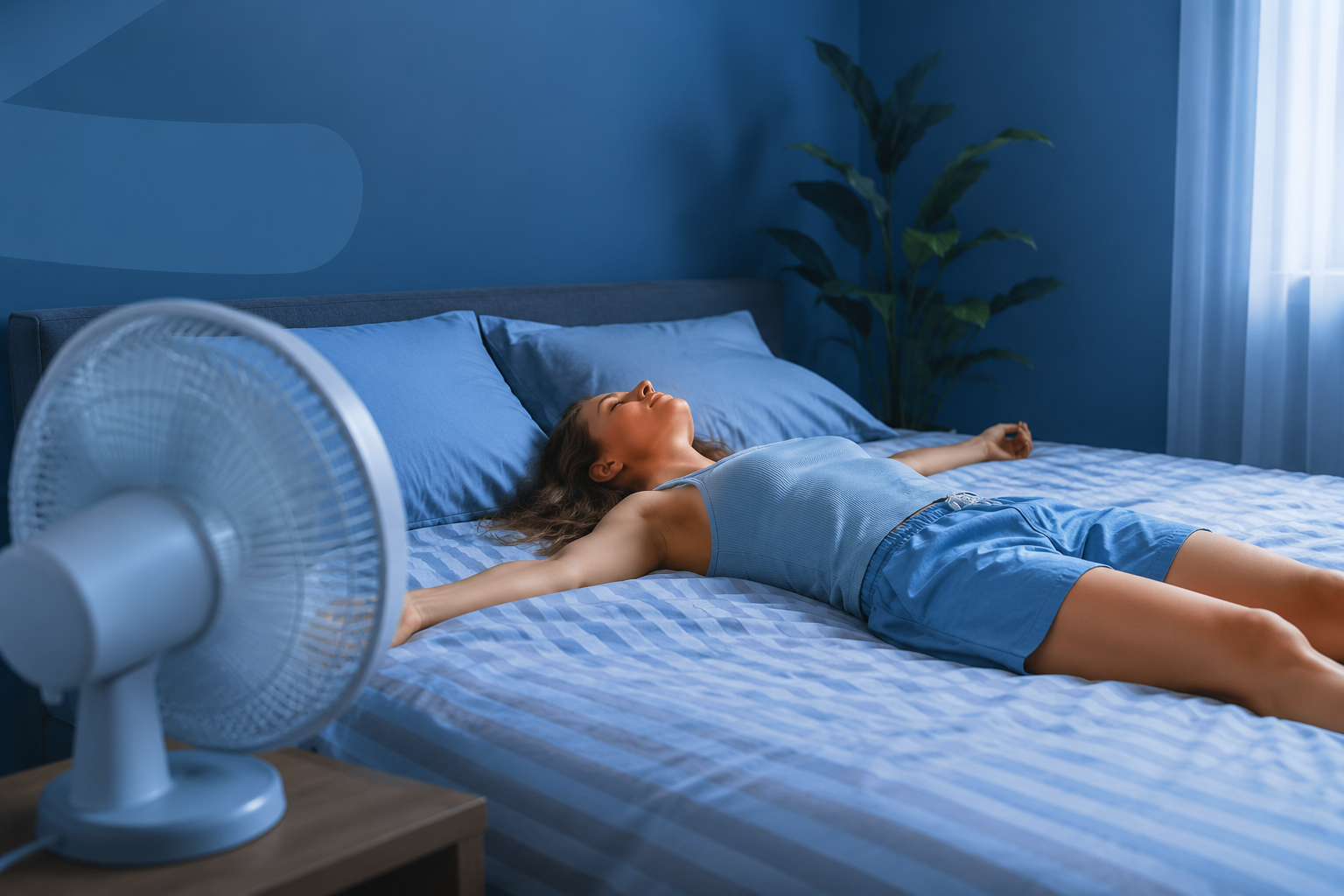
Summer is a great time to enjoy longer days and warm evenings, but when temperatures stay high overnight, getting a good night's sleep can become a challenge. If you've been tossing and turning because your bedroom feels more like a sauna, you're not alone.
Your body naturally lowers its core temperature to prepare for sleep. When your environment is too warm, this process becomes more difficult, making it harder to fall asleep and stay asleep throughout the night.
Here are 10 simple ways to sleep better during the hottest months of the year.
1. Keep Your Bedroom Cool
Experts recommend keeping your bedroom between 16–19°C (60–67°F) for optimal sleep. Use air conditioning if available or position a fan to circulate air throughout the room.
2. Choose Breathable Bedding
Swap out heavy blankets and synthetic sheets for lightweight cotton, bamboo, or linen bedding. These materials allow heat and moisture to escape, helping you stay comfortable all night.
3. Take a Lukewarm Shower Before Bed
A lukewarm shower can help lower your body temperature and signal that it's time to wind down. Avoid very cold showers, as they may actually cause your body to retain heat afterward.
4. Stay Hydrated
Dehydration can make you feel hotter and more uncomfortable at night. Drink water throughout the day, but try to avoid large amounts right before bed to reduce nighttime bathroom trips.
5. Skip Heavy Meals Before Bed
Large meals require energy to digest, which can increase your body temperature. Opt for a lighter dinner and avoid spicy foods late in the evening.
6. Limit Alcohol
Although alcohol may make you feel sleepy, it often leads to more disrupted sleep and can worsen dehydration during hot weather.
7. Block Out Daytime Heat
Close curtains or blinds during the day to prevent sunlight from heating your bedroom. Keeping your room cooler before bedtime makes a noticeable difference.
8. Wear Lightweight Sleepwear
Loose-fitting cotton or moisture-wicking sleepwear helps your body release heat more effectively than heavier fabrics.
9. Reduce Electronics Before Bed
Computers, televisions, and gaming consoles generate heat while also exposing you to blue light, making it harder to fall asleep.
10. Stick to a Consistent Sleep Schedule
Going to bed and waking up at the same time every day helps regulate your body's internal clock—even during the summer months.
When Poor Sleep Isn't Just the Heat
If you're consistently waking up feeling exhausted, snoring loudly, or your partner has noticed pauses in your breathing, the problem may not be the weather.
Obstructive sleep apnea affects millions of Canadians and often goes undiagnosed. While hot weather can temporarily affect sleep quality, ongoing fatigue may be a sign of an underlying sleep disorder.
At Sleep Efficiency, our convenient home sleep tests allow you to get tested from the comfort of your own bed, with results reviewed by Canadian sleep physicians.
Don't let another restless night go unanswered. If better sleep doesn't return once the temperatures cool down, it may be time to learn what's really affecting your sleep.