

Put Sleep First: Why Drowsy Driving Is More Dangerous Than Most People Realize
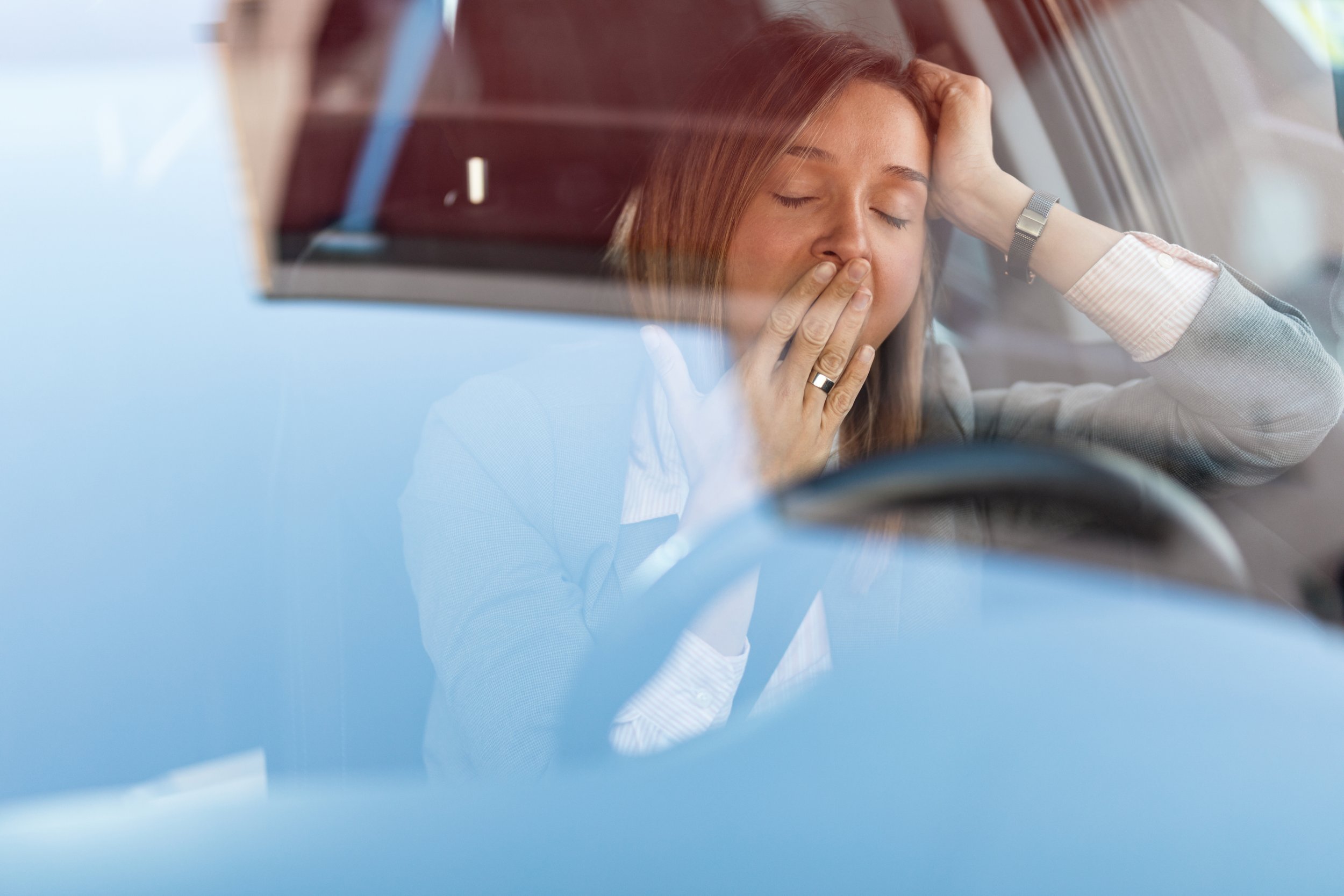
Most people understand the dangers of drinking and driving. But far fewer recognize that driving while sleep-deprived can be just as dangerous.
Drowsy driving slows reaction time, reduces awareness, impairs decision-making, and increases the risk of serious motor vehicle accidents. In some cases, sleep deprivation can impair driving performance similarly to alcohol intoxication. According to the National Sleep Foundation, drivers who only get 3–5 hours of sleep may be unfit to drive safely.
The scary part? Many drivers don’t even realize how impaired they are.
Why Drowsy Driving Happens
Modern schedules often push sleep lower on the priority list. Early commutes, shift work, long hours, overnight travel, parenting responsibilities, and untreated sleep disorders can all contribute to fatigue behind the wheel.
Certain groups face an even higher risk, including:
Shift workers
Commercial drivers
Healthcare workers
Teens and young adults
Parents of young children
People with untreated sleep apnea
Research shows that young drivers and shift workers are among the most vulnerable to drowsy driving incidents.
Warning Signs You Should Never Ignore
Many people try to “push through” fatigue while driving, but the body often gives warning signs before microsleeps occur.
Common signs of drowsy driving include:
Frequent yawning
Heavy eyelids
Drifting between lanes
Missing exits or traffic signs
Difficulty remembering the last few kilometres driven
Trouble maintaining speed
Nodding off at stoplights
Even a microsleep lasting a few seconds can have devastating consequences at highway speeds.
Sleep Deprivation and Crash Risk
Drowsy driving contributes to thousands of crashes every year. The National Highway Traffic Safety Administration estimates that approximately 100,000 crashes annually are linked to driver fatigue, resulting in tens of thousands of injuries.
AAA Foundation research has also shown that drivers who sleep fewer than four hours in a 24-hour period dramatically increase their crash risk.
Unlike alcohol impairment, fatigue can be harder to recognize in yourself. Many drivers think opening a window, turning up music, or drinking coffee is enough to stay alert — but those strategies often only provide temporary relief.
How to Prevent Drowsy Driving
The best way to prevent drowsy driving is simple: prioritize sleep before getting behind the wheel.
Here are some practical ways to reduce your risk:
Get Enough Sleep Before Driving
Most adults need 7–9 hours of sleep per night to function optimally. Teens generally require even more.
Take Breaks on Long Drives
For longer trips, plan stops every two hours or roughly every 100 miles to stretch, move around, and refresh yourself.
Avoid Driving During Peak Fatigue Hours
Late-night driving and early morning hours are particularly risky because they conflict with your body’s natural sleep-wake rhythm.
Share Driving Responsibilities
If possible, travel with another alert driver who can switch off and help monitor for signs of fatigue.
Be Aware of Medications
Some prescription and over-the-counter medications can increase drowsiness and impair driving performance.
Don’t Ignore Persistent Fatigue
If you regularly feel excessively tired during the day, struggle to stay awake while driving, or rely heavily on caffeine to function, it may be time to investigate an underlying sleep issue.
Could a Sleep Disorder Be Contributing?
Conditions like obstructive sleep apnea can significantly increase daytime fatigue and drowsy driving risk. Many people live with undiagnosed sleep disorders for years without realizing how much it affects their alertness, concentration, and safety.
Common signs of sleep apnea include:
Loud snoring
Waking up gasping or choking
Morning headaches
Excessive daytime sleepiness
Difficulty concentrating
Feeling unrefreshed after sleep
Identifying and treating sleep disorders can improve energy, focus, mood, and driving safety.
Sleep Is a Safety Issue
Sleep isn’t just about feeling rested — it’s a critical part of personal and public safety.
Whether you’re commuting to work, driving for your job, or heading out on a road trip, getting enough sleep before driving is one of the most important things you can do to protect yourself and others on the road.
At Sleep Efficiency, we help individuals identify sleep issues through clinically guided home sleep testing and expert sleep support. If fatigue is affecting your daily life or your ability to stay alert behind the wheel, addressing your sleep health could make a meaningful difference.