

Is Your Bedroom Helping or Hurting Your Sleep? A Guide to Bedroom Optimization
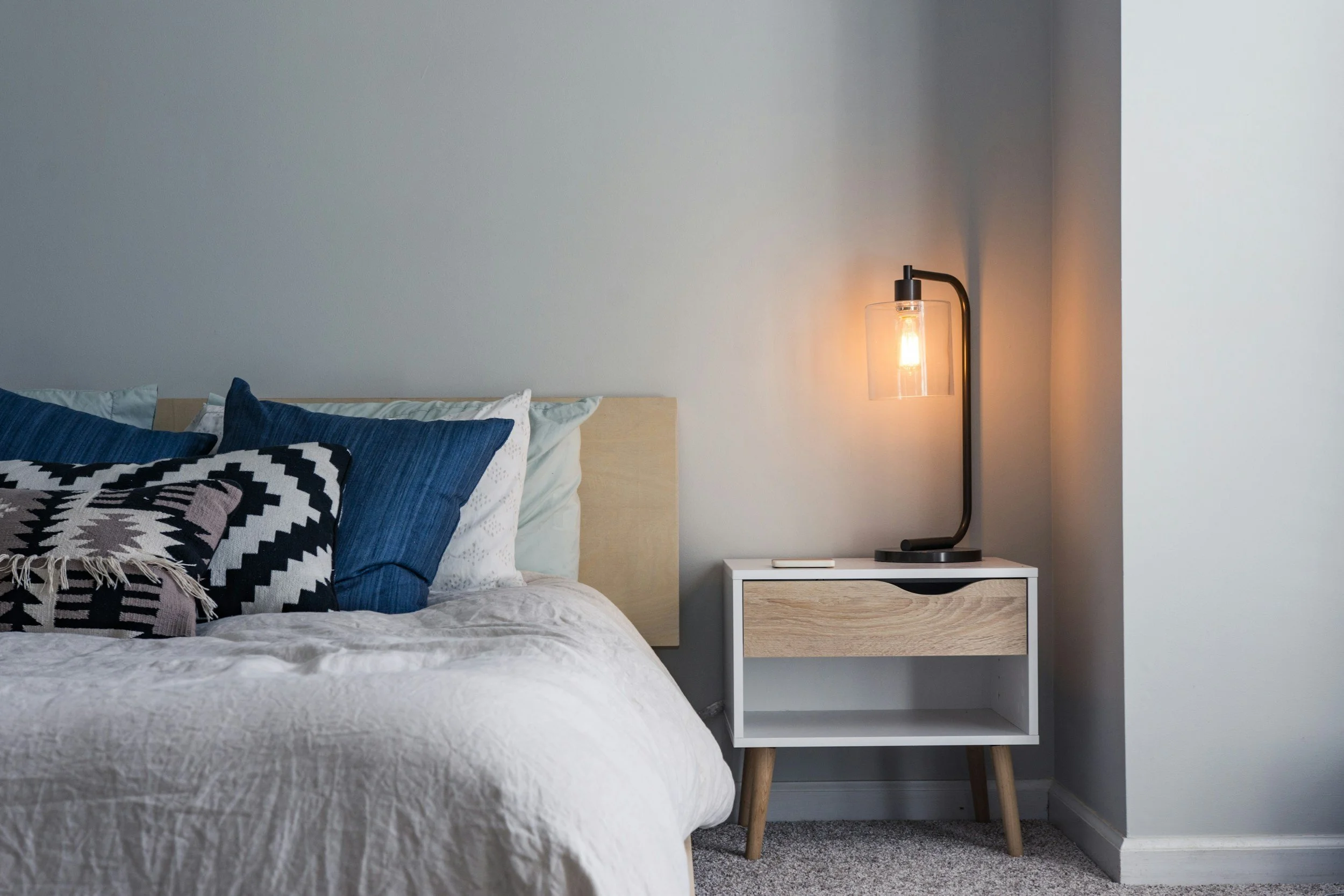
Most people focus on getting more sleep, but few consider whether their bedroom is actually designed to help them sleep well.
Your sleep environment plays a major role in how quickly you fall asleep, how often you wake during the night, and how rested you feel in the morning. Everything from your mattress and pillow to the room temperature and lighting can have an impact.
Whether you're upgrading your bedroom or simply looking to improve your sleep quality, here are some of the most important factors to consider.
Start with the Right Mattress
Your mattress is one of the biggest investments you can make in your sleep.
While there's no single "best" mattress for everyone, the ideal choice should provide proper support while keeping your spine in a neutral position. A mattress that's too soft may allow your body to sink too deeply, while one that's too firm can create uncomfortable pressure points.
Most quality mattresses last between 7 and 10 years. If yours is sagging, uncomfortable, or causing you to wake up with aches and pains, it may be time for a replacement.
When shopping for a mattress:
Choose one that properly supports your preferred sleeping position.
Test it in-store if possible.
Look for a generous trial period.
Focus on comfort and support rather than marketing claims.
Don't Overlook Your Pillow
Your pillow should support your head and neck while keeping your spine aligned.
Side sleepers often benefit from a thicker pillow.
Back sleepers typically do well with medium support.
Stomach sleepers usually need a thinner pillow—or may benefit from changing sleep positions altogether.
Replacing your pillow every couple of years can also improve comfort and hygiene.
Keep Your Bedroom Cool
Temperature is one of the most important—and most overlooked—factors for good sleep.
Most sleep experts recommend keeping your bedroom between 16–19°C (60–67°F). A cooler room helps your body naturally lower its core temperature, making it easier to fall asleep and stay asleep.
Consider using:
A ceiling or standing fan
Air conditioning when available
Breathable bedding made from cotton, bamboo, or linen
Reduce Light Exposure
Even small amounts of light can interfere with your body's production of melatonin, the hormone that helps regulate sleep.
To create a darker sleep environment:
Install blackout curtains.
Cover or dim electronic lights.
Avoid bright overhead lighting during the hour before bed.
If you need a night light, choose one with a warm amber or red tone rather than bright white or blue light.
Minimize Noise
A quiet bedroom promotes deeper, more restorative sleep.
If outside noise is unavoidable, consider:
A white noise machine
A fan for consistent background noise
Earplugs if appropriate
Consistent sounds are often less disruptive than sudden changes in noise throughout the night.
Declutter Your Sleep Space
A clean, organized bedroom can help create a more relaxing environment.
Try to keep work materials, exercise equipment, and excessive electronics out of the bedroom whenever possible. Your brain should associate your bedroom with rest—not work or stress.
Limit Electronics Before Bed
Phones, tablets, and televisions emit blue light that can delay melatonin production and make it harder to fall asleep.
Try to stop using screens at least 30–60 minutes before bedtime. Instead, consider reading a book, stretching, or practicing relaxation techniques.
Create a Consistent Bedtime Routine
Your bedroom should signal to your body that it's time to sleep.
Simple habits like dimming the lights, lowering the room temperature, and going to bed at the same time each night can reinforce your natural sleep-wake cycle.
When Your Bedroom Isn't the Problem
Even with the perfect mattress, ideal room temperature, and a consistent bedtime routine, you may still wake up feeling tired.
If you experience symptoms such as:
Loud, chronic snoring
Morning headaches
Dry mouth upon waking
Excessive daytime sleepiness
Pauses in breathing noticed by your partner
Difficulty concentrating
your sleep environment may not be the issue.
These symptoms could indicate obstructive sleep apnea, a common sleep disorder that affects millions of Canadians.
At Sleep Efficiency, our convenient home sleep tests allow you to get tested from the comfort of your own bed. Your results are reviewed by Canadian sleep physicians, and if treatment is recommended, you'll receive a personalized care plan.
Better Sleep Starts with the Right Environment
Optimizing your bedroom is one of the easiest ways to improve your sleep quality. A supportive mattress, comfortable pillow, cool temperature, and relaxing environment can all help you get the restorative sleep your body needs.
If you've optimized your bedroom but still wake up feeling exhausted, it may be time to look beyond your sleep environment. A home sleep test can help identify whether an underlying sleep disorder is preventing you from getting the quality sleep you deserve.