

Home Sleep Testing: Who It’s For, What It Is, and Why It Matters
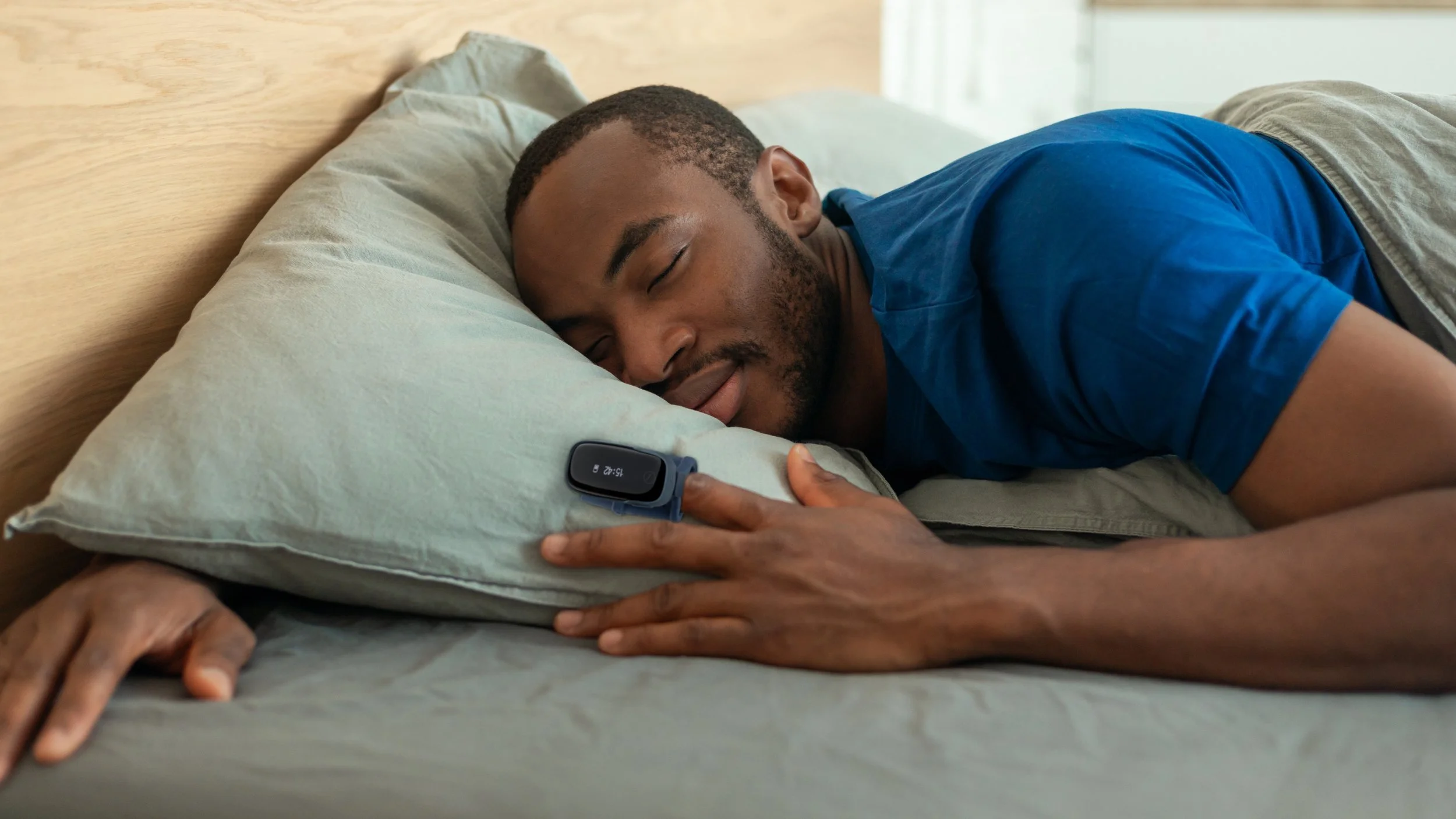
Sleep plays a vital role in overall health, yet millions of people struggle with sleep issues that often go undiagnosed. Conditions such as Sleep Apnea can significantly impact energy, concentration, cardiovascular health, and quality of life. Fortunately, advances in technology now make it possible to test for sleep disorders from the comfort of your own home. Home sleep testing provides a simple, convenient way to understand what’s happening during your sleep and take the first step toward better health.
Who Should Consider a Home Sleep Test?
Home sleep testing is designed for individuals who may be experiencing symptoms of a sleep disorder. Many people live with poor sleep for years without realizing that a medical condition could be the cause.
You may benefit from a home sleep test if you experience:
Loud or chronic snoring
Daytime fatigue or low energy
Pauses in breathing during sleep (often noticed by a partner)
Morning headaches
Difficulty concentrating during the day
Poor sleep quality despite getting enough hours in bed
Home sleep testing is often recommended by family physicians and other healthcare providers when symptoms suggest a sleep-related breathing disorder. It can also be a valuable option for individuals who want a convenient, accessible way to investigate their sleep health without needing to spend the night in a sleep lab.
What Is a Home Sleep Test?
A home sleep test is a medical diagnostic test that measures key physiological signals while you sleep in your own bed. Unlike traditional in-lab studies, the equipment is portable and designed to be easy to use at home.
Depending on the device used, a home sleep test may monitor several important indicators such as:
Breathing patterns
Oxygen levels
Heart rate
Body position
Snoring and airflow
The device collects this information overnight and records how your body behaves during sleep. After the test is completed, the data is reviewed by trained sleep professionals who analyze the results and determine whether a sleep disorder is present.
This process allows clinicians to identify patterns consistent with conditions like obstructive sleep apnea and recommend appropriate next steps.
Why Home Sleep Testing Is Becoming More Popular
In the past, diagnosing sleep disorders often required spending a night in a specialized sleep laboratory. While those studies are still useful in certain cases, home sleep testing has become increasingly popular because it removes many barriers that prevent people from getting tested.
Here are a few key reasons why more people are choosing home sleep testing:
1. Comfort and Convenience
Testing at home allows you to sleep in your own bed and follow your normal routine, which can lead to a more natural night of sleep.
2. Faster Access to Diagnosis
Traditional sleep labs often have long wait times. Home testing can often be arranged much more quickly, helping patients get answers sooner.
3. Simple and User-Friendly
Modern sleep testing devices are designed to be easy to set up and comfortable to wear overnight.
4. Clinically Validated Results
Home sleep tests use medically validated technology and are widely accepted for diagnosing common sleep-related breathing disorders.
5. A First Step Toward Better Health
Sleep disorders are linked to many health concerns, including high blood pressure, heart disease, and reduced daytime performance. Identifying the issue is the first step toward effective treatment and improved wellbeing.
Taking the First Step Toward Better Sleep
Many people assume that feeling tired or sleeping poorly is simply part of life. In reality, persistent fatigue, loud snoring, or restless sleep can signal an underlying condition that deserves attention.
Home sleep testing offers a practical way to gain insight into your sleep health without disrupting your routine. By identifying potential sleep disorders early, individuals can take meaningful steps toward better rest, improved energy, and long-term health.
If you’re curious about your sleep or experiencing symptoms that may indicate a sleep disorder, a home sleep test could provide the answers you’ve been looking for.