

Sleep Apnea in Canada: The Hidden Health Issue Affecting Millions
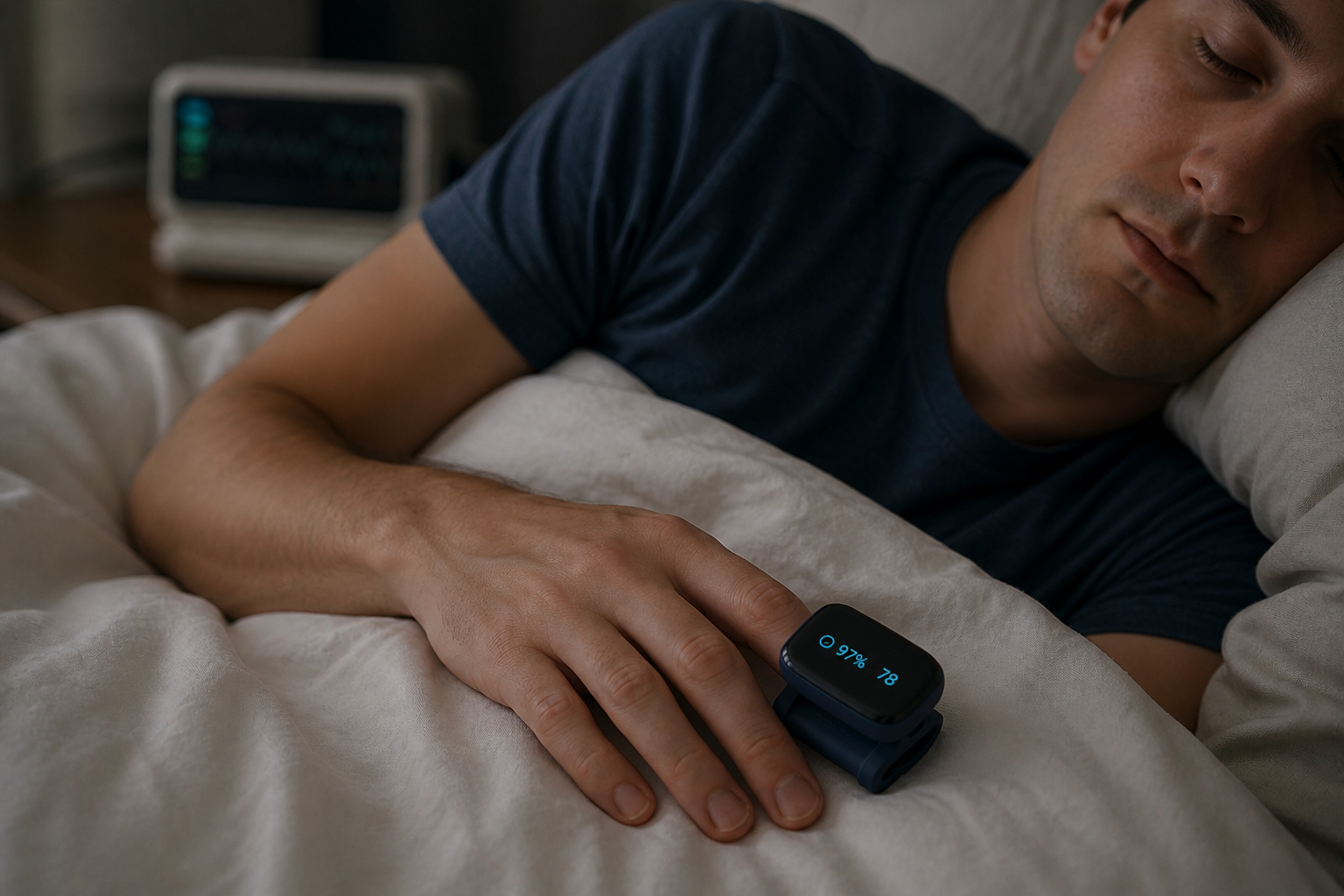
Most Canadians know what it feels like to have a bad night of sleep.
But for millions of people across the country, poor sleep is not just occasional exhaustion — it’s an ongoing medical condition that often goes undiagnosed for years.
Sleep apnea is one of the most common sleep disorders in Canada, yet many people living with it have no idea they have it.
They assume their fatigue is normal.
They blame stress, aging, work, kids, or a busy schedule.
Meanwhile, their sleep — and overall health — continues to suffer.
So, What Is Sleep Apnea?
Sleep apnea is a condition where breathing repeatedly stops or becomes restricted during sleep.
The most common type, Obstructive Sleep Apnea (OSA), happens when the airway partially collapses throughout the night. These breathing interruptions can occur dozens or even hundreds of times while you sleep.
Every pause reduces oxygen levels and forces the brain and body to repeatedly wake up just enough to restart breathing — often without you even realizing it.
The result?
You may spend eight hours in bed but still wake up exhausted.
Sleep Apnea in Canada: The Stats
Sleep apnea is far more common than most people think.
In Canada:
An estimated 5.4 million adults are at risk for obstructive sleep apnea
Nearly 1 in 4 Canadian adults show symptoms or risk factors associated with the condition
A significant percentage of Canadians living with sleep apnea remain undiagnosed
Men are diagnosed more frequently, but rates in women increase significantly with age
Sleep apnea is strongly linked to high blood pressure, heart disease, stroke, and Type 2 diabetes
Fatigue-related issues tied to poor sleep also contribute to:
Reduced workplace productivity
Higher accident risk
Mental health challenges
Lower overall quality of life
Despite how common it is, many Canadians still delay testing or treatment for years.
The Symptoms Most People Ignore
One of the reasons sleep apnea often goes undiagnosed is because many symptoms happen while you’re asleep.
But there are warning signs your body may already be giving you.
Loud Snoring
Not everyone who snores has sleep apnea — but persistent, loud snoring is one of the most common red flags.
Especially if someone notices pauses in your breathing between snores.
Constant Fatigue
Do you wake up feeling tired even after a full night in bed?
That’s one of the biggest signs your sleep may not actually be restorative.
Many people with sleep apnea feel:
Drained during the day
Dependent on caffeine
Mentally foggy
Less productive
Sleepy while watching TV or driving
Morning Headaches
Repeated oxygen drops overnight can contribute to headaches and grogginess first thing in the morning.
Brain Fog and Poor Focus
Sleep apnea doesn’t just affect physical energy.
It can impact:
Memory
Focus
Mood
Mental clarity
Decision-making
Some people describe it as feeling “half awake” all day.
Waking Up Gasping or Choking
Some individuals experience sudden awakenings where they feel like they can’t catch their breath.
Others may never notice it themselves — but their partner does.
Who Should Consider a Sleep Test?
A sleep assessment may be worth considering if you:
Snore regularly
Feel tired most days
Wake up unrefreshed
Have high blood pressure
Struggle with concentration
Wake up with headaches
Have been told you stop breathing during sleep
Feel exhausted despite getting enough hours of sleep
Even mild symptoms can point to an underlying sleep disorder.
What Are Your Options in Canada?
The good news is that sleep testing has become much more accessible for Canadians.
Home Sleep Testing
Many people now qualify for a home sleep test, which allows them to complete the assessment from their own bed.
Home sleep tests are designed to:
Monitor breathing patterns
Measure oxygen levels
Track respiratory events during sleep
For many Canadians, this option is:
More comfortable
Faster to arrange
More convenient than sleeping overnight in a clinic
In many cases, home testing can provide enough information to diagnose obstructive sleep apnea and guide treatment recommendations.
In-Lab Sleep Studies
Some individuals may require a more detailed overnight study in a sleep clinic.
This is typically recommended for:
More complex cases
Severe symptoms
Suspected additional sleep disorders
Situations where home testing is inconclusive
Treatment Options for Sleep Apnea
The right treatment depends on the severity of the condition and the individual’s needs.
CPAP Therapy
CPAP (Continuous Positive Airway Pressure) therapy is one of the most common and effective treatments.
It works by using gentle airflow to help keep the airway open during sleep.
For many people, proper treatment can dramatically improve:
Energy
Sleep quality
Mood
Focus
Overall health
Oral Appliances
Some individuals may benefit from custom dental devices that help reposition the jaw and improve airflow during sleep.
Lifestyle Changes
In some cases, symptoms can also improve with:
Weight management
Reduced alcohol intake
Better sleep habits
Positional sleep changes
Smoking cessation
Why Early Diagnosis Matters
Sleep apnea is not just about snoring or feeling tired.
Over time, untreated sleep apnea can place significant stress on the cardiovascular system, brain, and overall health.
The earlier it’s identified, the sooner people can begin improving:
Their energy
Mental performance
Mood
Sleep quality
Long-term health outcomes
And for many Canadians, the difference can be life-changing.
Final Thoughts
Sleep apnea affects millions of Canadians — many without realizing it.
If you constantly feel exhausted, snore heavily, or suspect your sleep quality is affecting your health, it may be worth taking a closer look.
Because better sleep is not just about getting more hours in bed.
It’s about finally getting the quality sleep your body has been missing.