

Tech in the Bedroom: How Much Is Too Much?
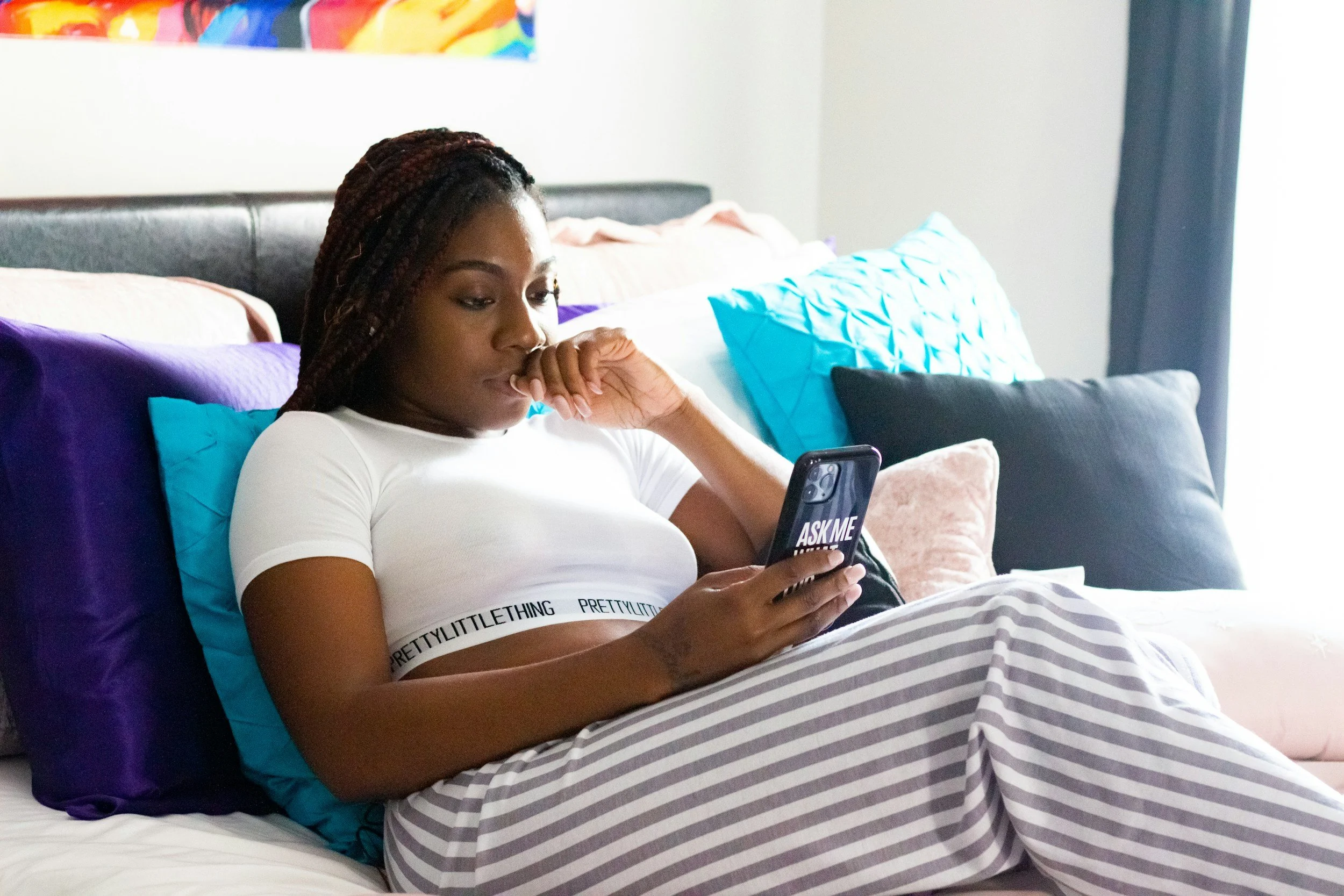
In today’s hyperconnected world, technology isn’t just something we use — it often lives with us. From streaming shows on tablets before bed to keeping our phones on the nightstand, screens, smart devices, and gadgets have increasingly made the bedroom their home. But as convenient as that may seem, sleep experts and recent media coverage are challenging us to rethink this growing trend.
A recent article in the National Post highlights the importance of keeping tech out of the bedroom to protect our sleep quality and overall health. Keep Your Tech Out of the Bedroom for Better Sleep (National Post)
Why Tech in the Bedroom Disrupts Sleep
The science on technology and sleep continues to evolve, but there’s a growing consensus that screens and devices in the bedroom can interfere with rest in several key ways:
• Delayed sleep onset and shorter sleep time:
Engaging with screens — whether scrolling social media, checking email, or watching videos — keeps the brain alert and pushes back the body’s natural wind-down process. This “time displacement” directly reduces how long we sleep and delays when we actually fall asleep. (ScienceDaily)
• Reduced sleep quality:
Multiple studies show that regular use of electronic devices before or in bed is linked with poorer sleep quality and greater daytime sleepiness. In one large survey of adults, having a smartphone or tablet in the bedroom and using it at night was associated with longer time to fall asleep and worse subjective sleep quality. (PMC)
• Melatonin suppression:
Devices emit blue light that mimics daytime light and can trick the brain into thinking it’s still awake, reducing the production of melatonin — the hormone that signals it’s time to sleep. While research continues to refine the exact impact of blue light, this mechanism remains one of the most cited explanations for screen-related sleep disruptions. (Wikipedia)
Is Technology Always the Enemy?
It’s important to acknowledge that not all tech in the bedroom has purely negative effects — and context matters.
• Positive sleep tech exists:
There are wearable sleep trackers, smart mattresses, noise machines, and alarm systems designed to support better rest when used intentionally and paired with strong sleep habits. (The Sleep Lab)
• Behavioral impact often outweighs light exposure:
Some researchers argue that the content we engage with — emotionally stimulating news, work emails, or social interactions — may matter as much or more than the light itself in delaying sleep. (WIRED)
Still, even with this nuance, the principle remains: when tech starts to disrupt your body’s natural readiness for sleep, it’s time to reconsider how and where it’s used.
Strategies for a Tech-Smart Bedroom
If you love your devices but want better sleep, here are evidence-based habits worth trying:
✔ Create a tech curfew: Power down screens at least 30–60 minutes before bedtime.
✔ Charge devices outside the bedroom: Removing the phone from arm’s reach limits temptation and reduces nighttime awakenings.
✔ Reserve the bed for sleep and intimacy: Keeping bed as a “sleep-only” zone helps condition your brain to associate it with rest, not stimulation.
✔ Use tech intentionally: If you use apps or devices to monitor or improve sleep, set boundaries so they support — not sabotage — your routine. (sleepfoundation.org)
Finding Balance in a Digital Age
Technology has transformed our lives for the better in countless ways, but like all powerful tools, it can have unintended consequences when used without boundaries. The bedroom — a space our bodies associate with safety, calm, and restoration — should be the last frontier of “unplugging” in our daily routines.
As the National Post article reminds us, keeping tech out of the bedroom isn’t about rejecting modern life — it’s about protecting one of our most vital resources: sleep. (LinkedIn)
Sleep Efficiency: Your Partner in Better Sleep
At Sleep Efficiency, we’re dedicated to helping people reclaim restful, restorative nights. Whether through expert guidance on sleep environments, personalized assessments, or advanced home sleep testing services, we help people navigate the modern challenges of sleep in a digital world.
Want to optimize your sleep sanctuary? Reach out to Sleep Efficiency to learn how small changes to your bedroom tech habits — combined with tailored support — can make a big difference in how you sleep and feel.